On a limestone ridge overlooking the plains of south-eastern Türkiye stands one of the most important archaeological sites ever discovered.
Göbekli Tepe was built more than 11,000 years ago, during the tenth and ninth millennia BC. Its earliest monumental structures predate Stonehenge by several thousand years and were created before writing, pottery and fully developed farming societies.
It is often described as “the world’s first temple”. Yet the question mark matters.
Klaus Schmidt and the discovery of Göbekli Tepe
The mound was first recorded during an archaeological survey in the 1960s, but its true significance was not recognised.
That changed in 1994, when German archaeologist Klaus Schmidt visited the site. Having previously worked at the nearby Neolithic settlement of Nevalı Çori, Schmidt immediately recognised fragments of worked limestone and distinctive T-shaped pillars scattered across the hill.
Systematic excavations began in 1995 under the direction of the Şanlıurfa Museum and the German Archaeological Institute.
What emerged was extraordinary: monumental circular and oval buildings formed by rings of limestone pillars, with two larger monoliths standing at the centre.
These structures were created without metal tools, wheeled vehicles or domesticated draught animals. Their builders belonged to communities living at the end of the hunter-gatherer world.
The mysterious T-shaped pillars
The pillars of Göbekli Tepe are more than architectural supports.
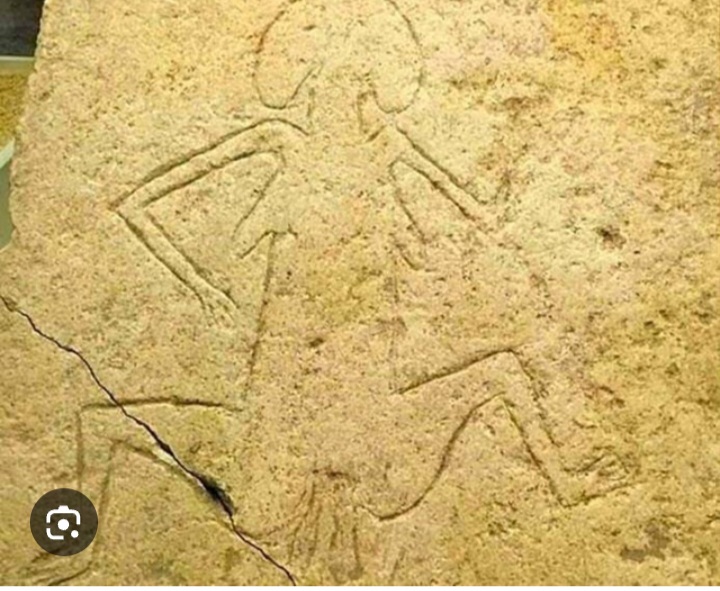
Many bear carved arms, hands, belts and garments. Their T-shaped form may represent highly stylised human figures, while the surrounding reliefs depict foxes, wild boar, snakes, birds, aurochs and scorpions.
The identity of the central figures remains unknown. They may have represented ancestors, supernatural beings or characters from a lost mythological tradition.
There are no written records. Archaeologists must reconstruct the meaning of the site from its architecture, images and archaeological deposits.
Did belief come before farming?
Klaus Schmidt interpreted the monumental enclosures as sanctuaries built by hunter-gatherers who gathered for ceremonies, communal meals and shared rituals.
His theory challenged the traditional model of the Neolithic Revolution.
For many years, scholars assumed that people first developed agriculture, then settled permanently and finally created organised religion and monumental architecture.
Göbekli Tepe suggested another possibility:
shared ritual and communal building may have helped bring people together before fully developed agriculture.
The need to support large gatherings may even have encouraged more intensive food production and the gradual domestication of plants and animals.
Schmidt’s influential book was titled Sie bauten die ersten Tempel — They Built the First Temples.
Was Göbekli Tepe really a temple?
The word temple is useful, but it may be too simple.
Recent excavations have revealed smaller buildings and traces of everyday activity, suggesting that Göbekli Tepe was not necessarily an isolated sanctuary. It may have been a settlement in which domestic life, ritual, feasting and communal gatherings existed side by side.
The large buildings may have served several purposes at once: ceremony, storytelling, initiation, commemoration and the strengthening of social ties.
In early Neolithic society, the sacred and the social may not have been separate.
Part of a wider Neolithic world
Göbekli Tepe was not an isolated miracle.
Other sites in the Şanlıurfa region, including Karahantepe and several locations within the Taş Tepeler — Stone Hills project, reveal similar traditions of monumental architecture, T-shaped pillars and symbolic sculpture.
Together, these sites show that Upper Mesopotamia was home to interconnected communities experimenting with settlement, food production, architecture and new forms of social organisation.
So, was it the world’s first temple?
Possibly — but the term should be used carefully.