When people talk about Istanbul’s Old City, they are usually referring to the historic peninsula enclosed by the legendary Theodosian Walls. Administratively, this area belongs to the Fatih district, which preserves the heart of the former Byzantine and Ottoman capitals.
Some historians and locals also include Galata as part of the historic city. During the reign of Constantine the Great, Galata formed part of the “New Rome” and was considered the city’s 13th district.
Today, the Old City remains one of the world’s most remarkable urban landscapes, where nearly 2,000 years of history coexist with the energy of modern Istanbul.
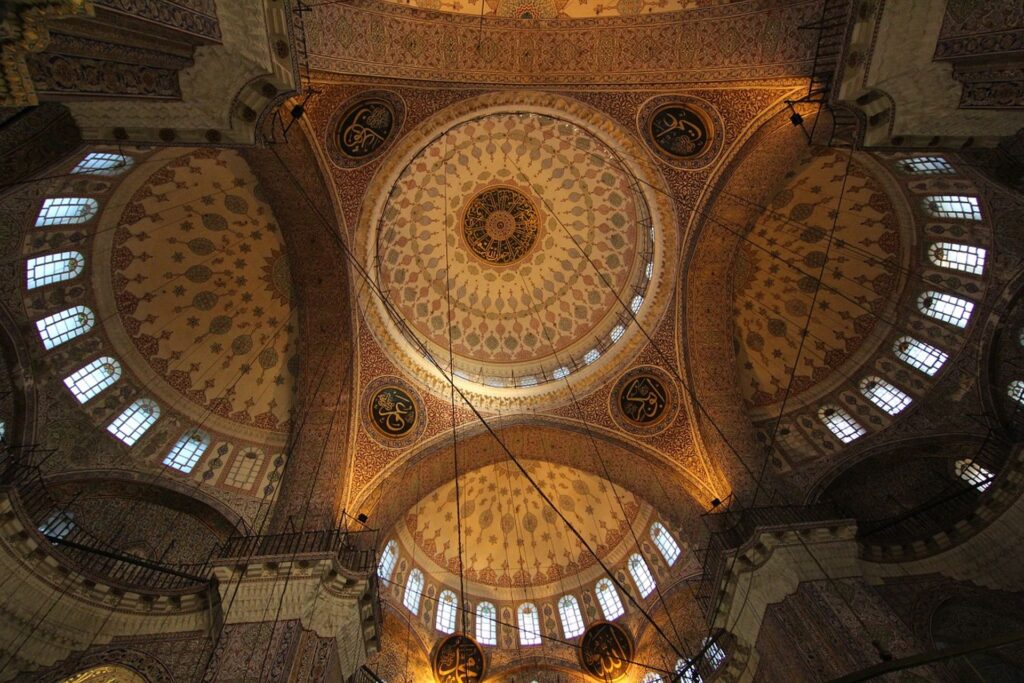
The Historic Heart of Constantinople
The Theodosian Walls were constructed between 408 and 413 AD during the reign of Emperor Theodosius II.
Originally, Constantinople occupied only seven hills and was protected by earlier fortifications. As the city expanded rapidly in the early fifth century, new defensive walls became essential. At the same time, the Roman Empire faced increasing pressure from invading tribes, making these fortifications one of the most advanced defensive systems of the ancient world.
Remarkably, large sections of these walls still stand today, offering visitors a glimpse into the city’s imperial past.
Not Every Historic Landmark Is Inside the Old City
Although the Old City contains many of Istanbul’s most famous attractions, some important historical sites lie well beyond its ancient walls.
One example is the recently excavated remains of ancient Chalcedon on the Asian side of the Bosphorus. Founded around the same time as Byzantium, Chalcedon has a history just as ancient as the settlement that eventually became Constantinople.
This reminds visitors that Istanbul’s heritage extends far beyond the historic peninsula.
Why Doesn’t the Old City Look Entirely Old?
Many first-time visitors are surprised to discover that much of the Old City consists of relatively modern residential and commercial buildings.
Apart from a few preserved medieval neighborhoods in Fatih and Galata, much of the original urban fabric disappeared over the centuries. Today, the surviving historic architecture is concentrated in monumental landmarks such as imperial palaces, mosques, markets, cisterns, churches, and sections of the ancient fortifications.
This transformation reflects centuries of urban development rather than the loss of the city’s historical importance.
From Imperial Capital to Modern Metropolis
By the beginning of the nineteenth century, Istanbul’s historic center had gradually lost its status as the city’s most prestigious residential area.
Narrow streets, aging infrastructure, and increasing population density encouraged the Ottoman elite to relocate along the shores of the Bosphorus. Sultan Abdülmecid I symbolized this shift by constructing the magnificent Dolmabahçe Palace, leaving behind the centuries-old Topkapı Palace.
At that time, heritage preservation laws were still limited. Many historic houses deteriorated or were demolished, and during the twentieth century they were often replaced by apartment buildings, hotels, shops, and offices.
As a result, today’s Old City combines world-famous monuments with the rhythm of everyday urban life.
Sultanahmet: The Heart of the Old City
Many travelers use the term Old City to describe the area surrounding Sultanahmet Square, where Istanbul’s most iconic landmarks are located within walking distance.
Highlights include:
- Hagia Sophia
- Topkapı Palace
- Blue Mosque
- Hagia Irene
- Hippodrome Square
- Basilica Cistern
- Theodosius Cistern
- Column of Constantine
- Gülhane Park
- Little Hagia Sophia
This compact historic district offers one of the richest concentrations of Byzantine and Ottoman monuments anywhere in the world.
Where to Stay in Istanbul’s Old City
The historic center offers accommodation for every style of traveler, from luxury heritage hotels to charming boutique properties.
For those seeking the most authentic atmosphere, the area between Sultanahmet and the Bosphorus is an excellent choice. Many beautifully restored historic buildings have been transformed into elegant hotels while preserving their original architectural character.
Some of the finest luxury properties include:
- Four Seasons Hotel Istanbul at Sultanahmet
- Royan Hotel Hagia Sophia Istanbul, a member of Radisson Individuals
- Hagia Sofia Mansions Istanbul, Curio Collection by Hilton
- Blu Ma’Cel Sultanahmet Boutique Hotel
- Seven Hills Palace
Budget-conscious travelers will also find numerous accommodation options nearby.
The neighboring district of Kumkapı generally offers more affordable hotels. While it is less polished than Sultanahmet and can feel more chaotic, it provides visitors with a chance to experience a more authentic side of old Istanbul, away from the busiest tourist streets.
Why Visit Istanbul’s Old City?
Few places in the world allow visitors to walk through so many layers of history in a single day. Roman walls, Byzantine churches, Ottoman palaces, vibrant bazaars, and centuries-old neighborhoods all come together within a remarkably compact area.
Whether you are passionate about history, architecture, photography, or simply wish to experience the soul of Istanbul, the Old City remains the perfect place to begin your journey through one of the world’s greatest historic capitals.